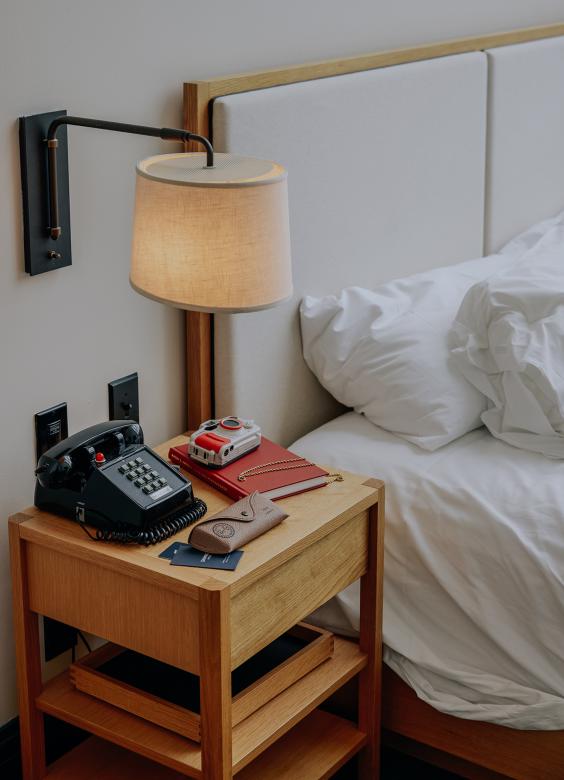
The History and Preservation of Shinola Hotel
Discover the story of Detroit's historic T.B. Rayl and Singer Buildings, and how thoughtful preservation transformed them into Shinola Hotel.
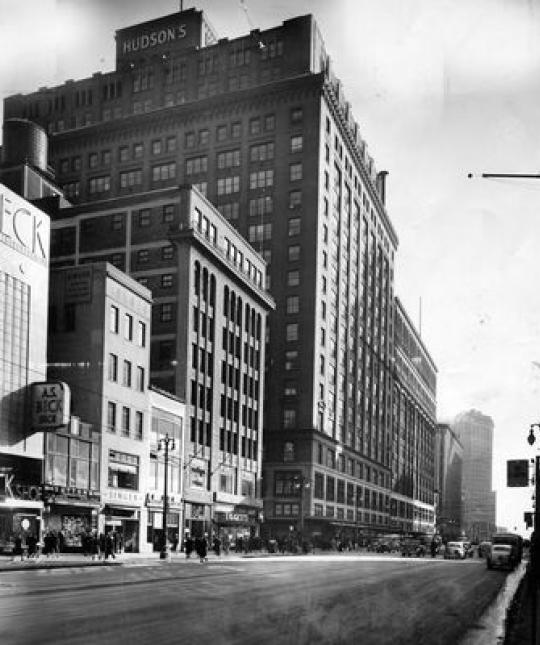
In the early 1900s, Detroit stood at the center of the world. The automotive industry was booming, and downtown bustled with the energy of a city that symbolized opportunity and the American dream. Iconic buildings rose along Woodward Avenue, their craft and durability a testament to an era when quality meant permanence.
More than a century later, many of those buildings still stand. And at 1400 Woodward Avenue, two of them have found new life as Shinola Hotel.
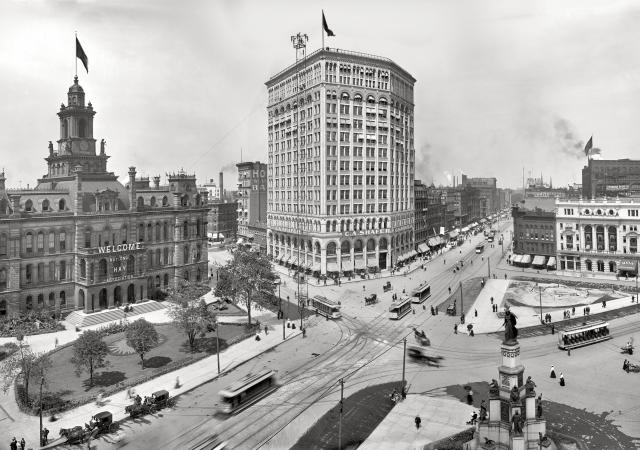
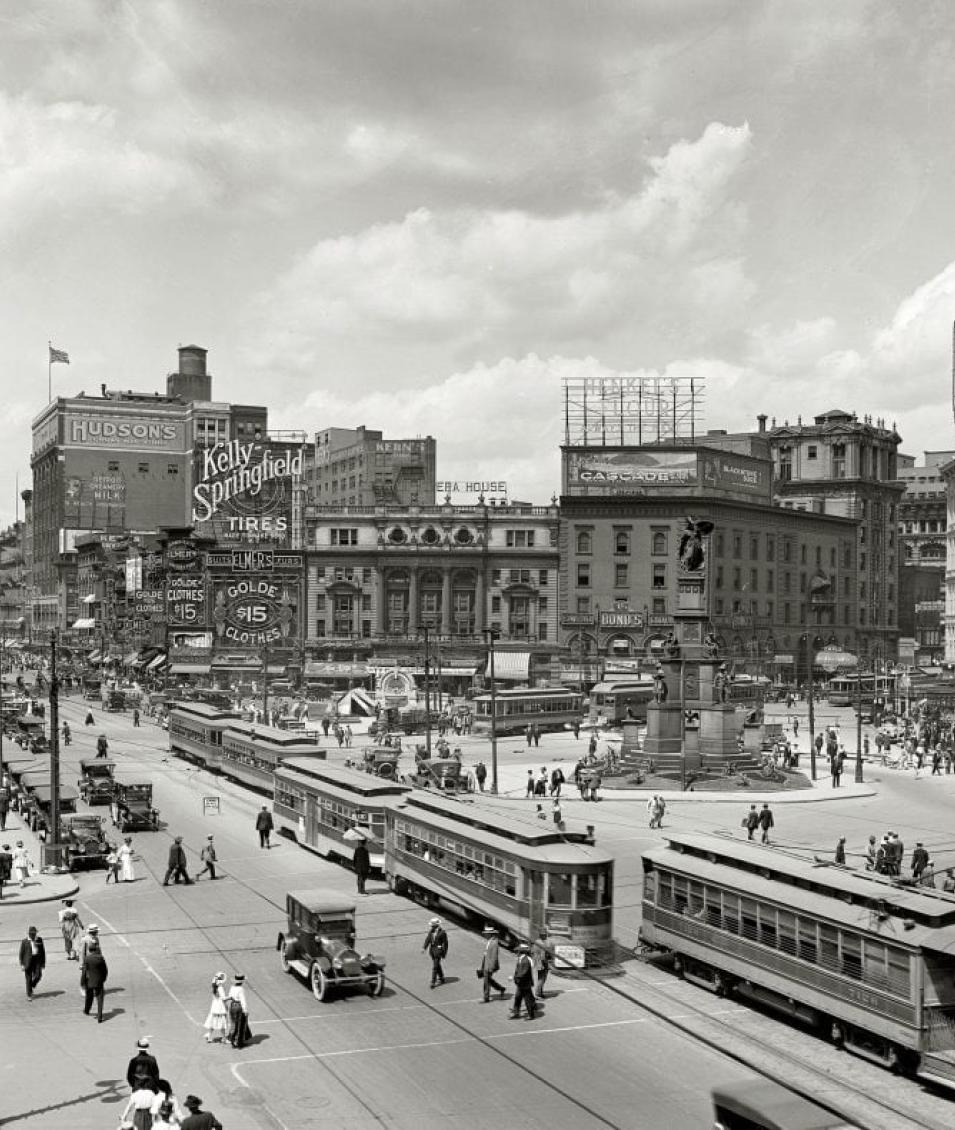
The main structure the hotel occupies began its life in 1915 as the T.B. Rayl Company building, a hardware and sporting goods store with a distinctive red terra cotta tile facade. Architect Wirt Rowland, who would later design Detroit's celebrated Guardian Building, was known for his bold experimentation with materials and design. The Rayl's building reflected that spirit: functional, artistic, and built to endure.
Over the decades, this structure housed Liggett's Drug Store, Lloyd's Furs, Sally Frocks, and the Meyer Jewelry Company, each contributing to the layered history embedded in these walls.
Adjacent stands the Singer Building, completed in 1936 to house the Singer Sewing Machine Company. Its understated limestone-clad neoclassical exterior was designed by Smith, Hinchman, and Grylls—now SmithGroup, the nation's oldest continuously operating architectural and engineering firm.

Restoration as Craft
When Shinola and Bedrock set out to transform these structures into a hotel, the goal was never to erase this legacy, it was to continue it. The design team embraced the idiosyncrasies of working with historic buildings, ultimately creating 55 distinct room configurations. But the most meaningful gestures were the smallest ones.
The charming terra cotta tile from Rayl's exterior was molded and recast as plaster for the event space ceiling. Marbled patterns discovered within the Rayl's structure inspired custom marbleized wallpaper throughout the hotel. And an old paint chip from the Singer Building was developed into a custom shade of “Shinola blue” that now appears in rooms and gathering spaces.
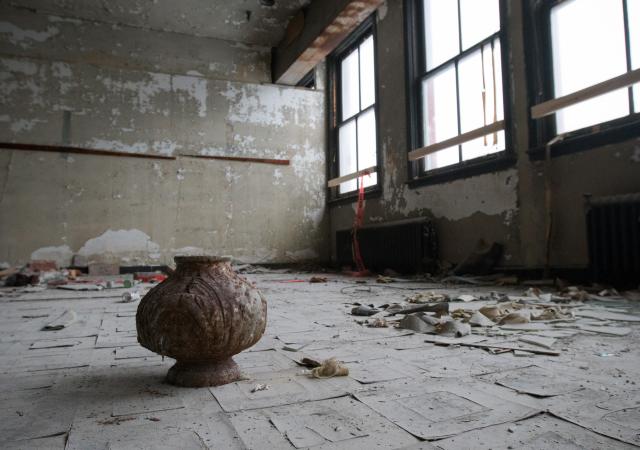
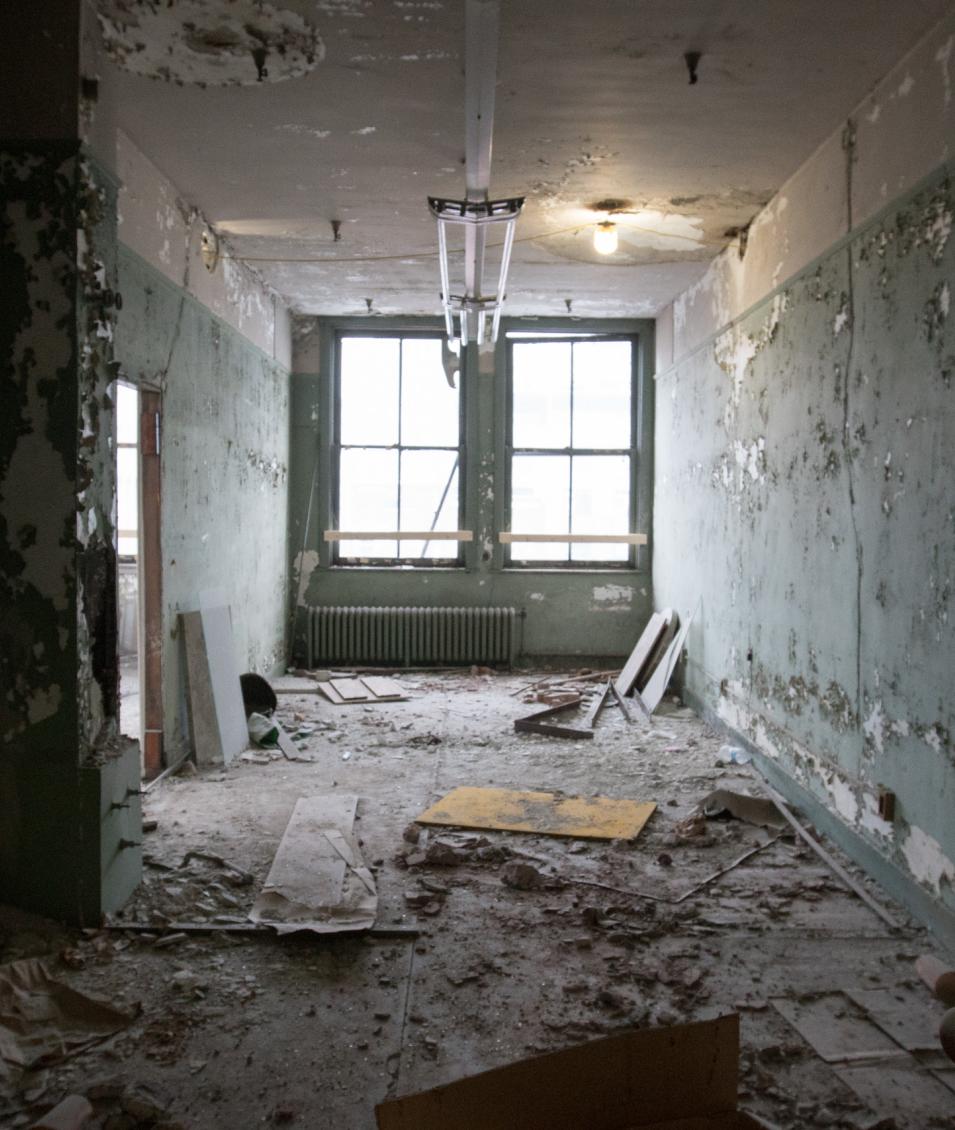
Today, Shinola Hotel is a living testament to what happens when preservation meets purpose. The buildings at 1400 Woodward Avenue have witnessed a century of Detroit's evolution, and now they're proof that quality craftsmanship doesn't fade. Our hotel is an embodiment of Detroit’s storied past, energetic present, and innovative future.

Press Play on the City's Soundtrack
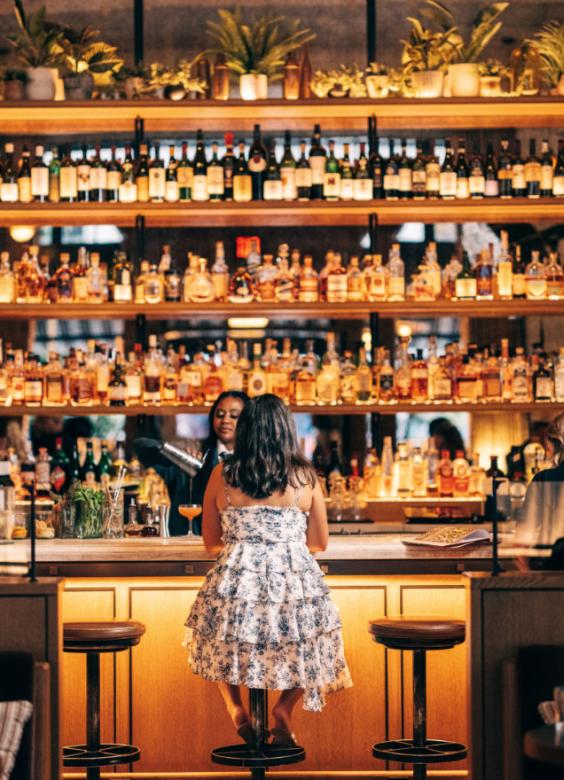
A Day of Detroit's Best Dining: Eat Your Way Through Shinola Hotel

Tuesdays at Shinola Hotel are Detroit's Worst Kept Secret
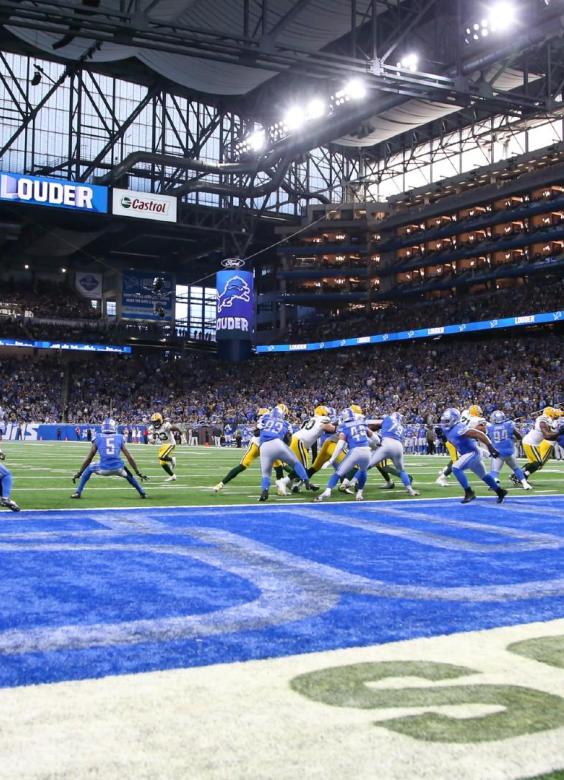
Game Day in the D: Your Guide to Detroit Sports
Detroit is for Lovers